

-
Vintage Retro Metal Shade Pendant Light E27 Base ~3972
35% OFF Sold outRegular price £12.19 GBPRegular priceUnit price per£18.79 GBPSale price £12.19 GBPSale -
4W/8W Vintage Edison Light Bulb E27 LED Retro Amber Filament Lamp ~ 3170
Sold outRegular price £6.19 GBPRegular priceUnit price per -
Vintage Edison Filament Light Bulb Non Dimmable~3150
Sold outRegular price £11.69 GBPRegular priceUnit price per -
LED Globe Bulbs E27 Base 3W Filament Light Bulb~3149
Sold outRegular price £13.49 GBPRegular priceUnit price per -
E27 3W Decorative LED Bulbs Non Dimmable~3143
Sold outRegular price £9.79 GBPRegular priceUnit price per -
E27 3W Warm White Lamps For Edison Bulbs~3141
Sold outRegular price £11.59 GBPRegular priceUnit price per -
LED Cone Bulb E27 Base 5W ,10W, 15W ,20W For Home Decor Energy Saving ~ 3133
Sold outRegular price £5.29 GBPRegular priceUnit price per -
Flicker Corn Light 16W E27 Base LED Chip Triple Colour Change For Home Indoor Style ~ 3123
Sold outRegular price £6.99 GBPRegular priceUnit price per -
ST64 E27 8W Dimmable Retro Classic LED Filament Bulbs ~3030
Sold outRegular price £5.49 GBPRegular priceUnit price per -
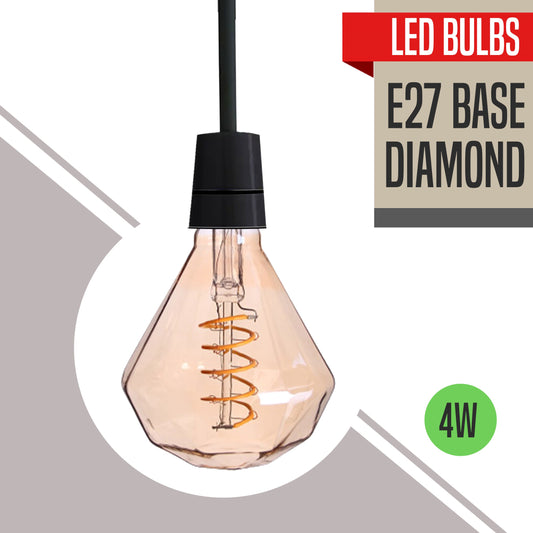
LED Soft Light Dimond E27 4W Filament Glass Retro Warm White~3012
17% OFF Sold outRegular price £8.69 GBPRegular priceUnit price per£10.49 GBPSale price £8.69 GBPSale -
B22 & E27 Base Warm White Antique LED Light Bulbs~2996
Sold outRegular price £6.99 GBPRegular priceUnit price per -
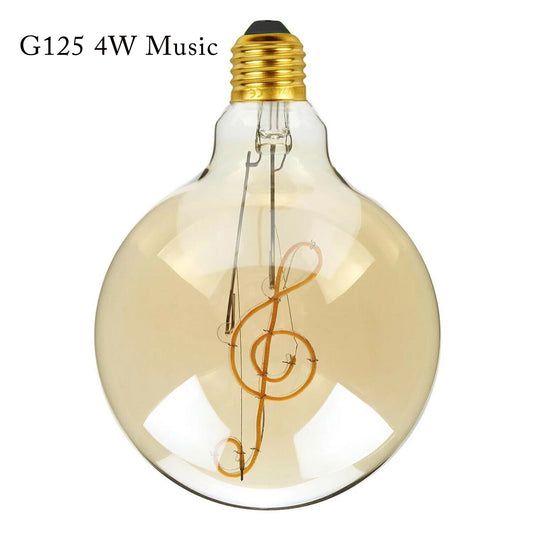
Edison LED Soft Light G125 E27 4W Music Filament Glass Retro Warm White~2978
Sold outRegular price £9.49 GBPRegular priceUnit price per -
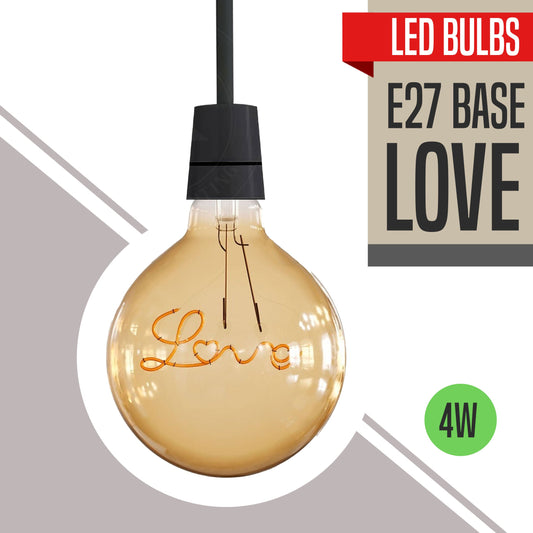
LED Soft Light G125 E27 The Art of Illuminating Love ~ 2977
42% OFF Sold outRegular price £7.19 GBPRegular priceUnit price per£12.49 GBPSale price £7.19 GBPSale -
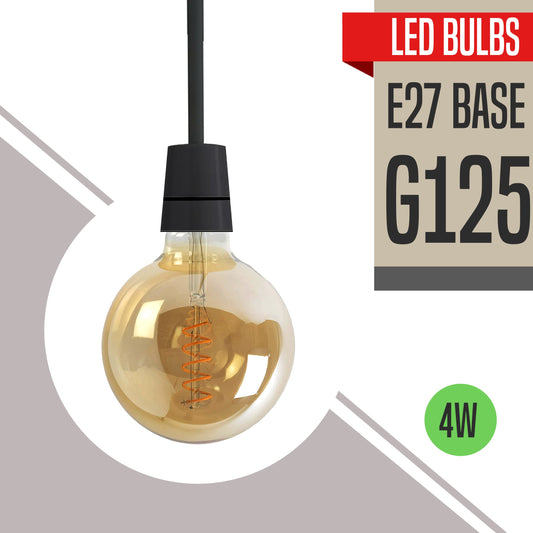
4W G125 E27 Dimmable Globe Vintage LED Retro Light Bulb~2976
Sold outRegular price £11.89 GBPRegular priceUnit price per -
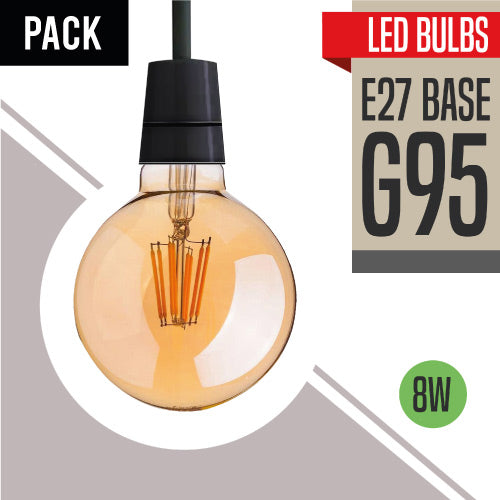
LED G95 E27 8W Dimmable Globe Industrial Vintage Bulb~2973
Sold outRegular price £11.77 GBPRegular priceUnit price per -
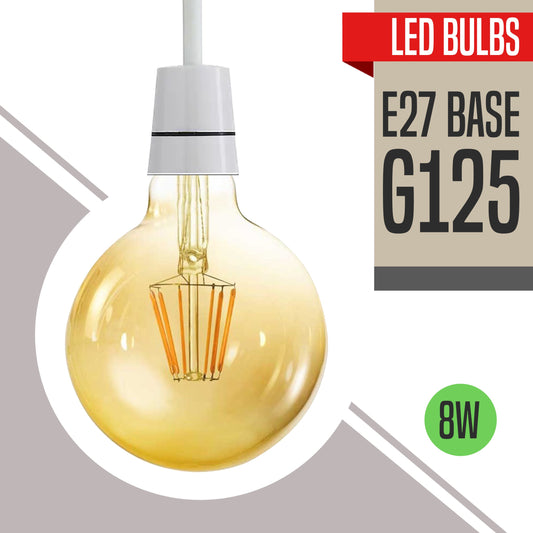
G125 E27 8W Dimmable Globe Vintage LED Retro Light Bulb~2969
Sold outRegular price £7.89 GBPRegular priceUnit price per -
G95 E27 8W Dimmable Globe Vintage LED Retro Light Collection Bulbs ~2915
Sold outRegular price £6.69 GBPRegular priceUnit price per£0.00 GBPSale price £6.69 GBP -
G95 E27 4W Dimmable Globe Vintage LED Retro Light Bulbs~2640
Sold outRegular price £6.04 GBPRegular priceUnit price per -
E27 4W G80 Dimmable LED Vintage Filament Classic Light Bulb~2639
Sold outRegular price £5.49 GBPRegular priceUnit price per -
Industrial Retro Style Lamp Modern Edison Vintage E27 LED Light Bulb ~2530
35% OFF Sold outRegular price £6.09 GBPRegular priceUnit price per£9.49 GBPSale price £6.09 GBPSale -
Vintage Antique Style Edison LED Soft Light Music G125 4W Bulb~2529
20% OFF Sold outRegular price £9.49 GBPRegular priceUnit price per£11.99 GBPSale price £9.49 GBPSale -
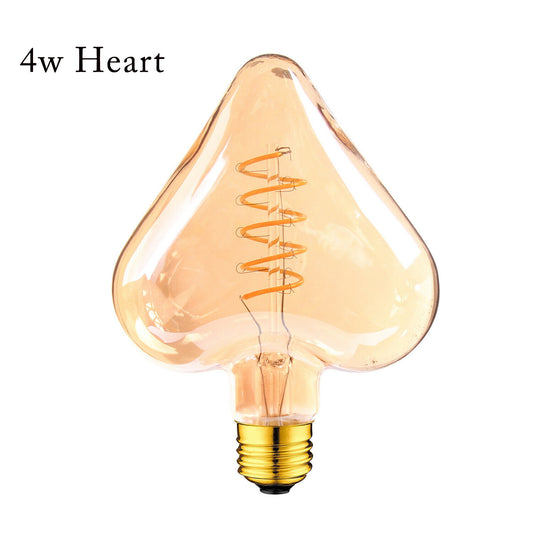
Vintage Antique Style Edison LED Soft Light Heart 4w Bulb~2528
33% OFF Sold outRegular price £6.29 GBPRegular priceUnit price per£9.49 GBPSale price £6.29 GBPSale -
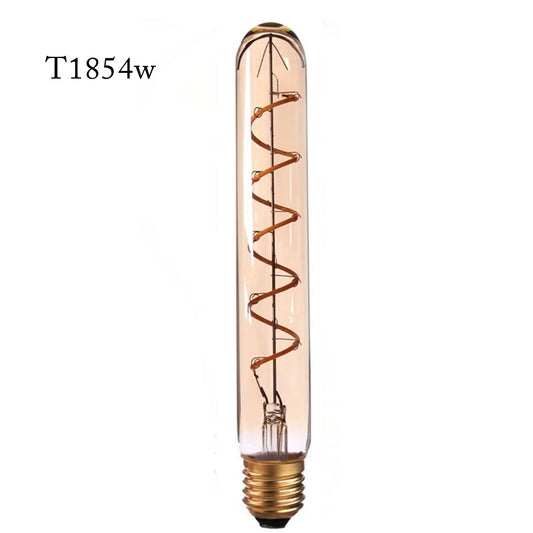
Vintage Antique Style Edison LED Soft Light T185 4W Bulb~2527
47% OFF Sold outRegular price £4.99 GBPRegular priceUnit price per£9.49 GBPSale price £4.99 GBPSale -
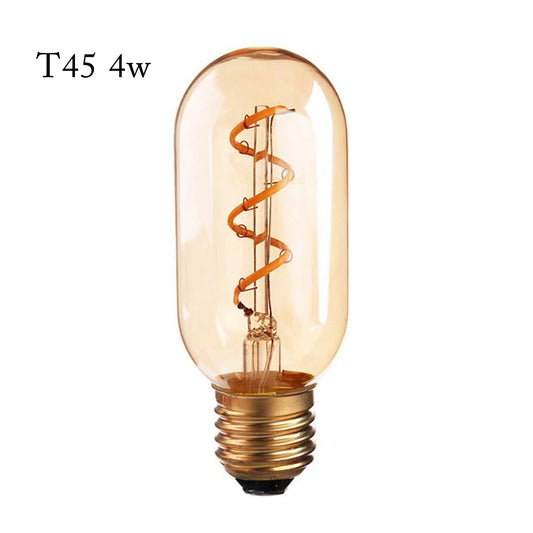
Vintage Antique Style Edison LED Soft Light T45 4w Bulb~2526
5% OFF Sold outRegular price £8.99 GBPRegular priceUnit price per£9.49 GBPSale price £8.99 GBPSale -
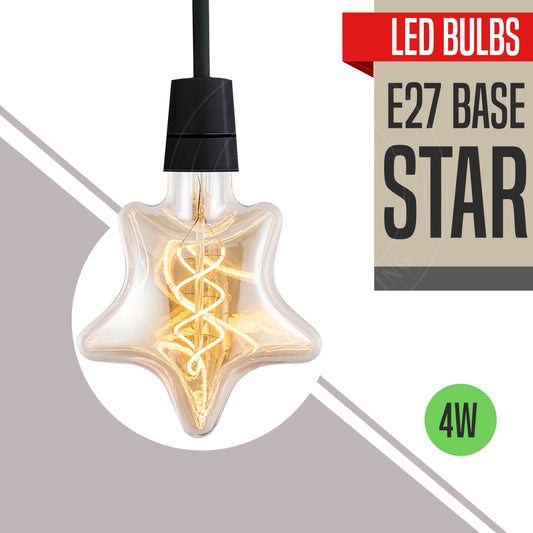
Vintage Antique Style Edison LED Soft Light Star 4W Bulb~2525
6% OFF Sold outRegular price £8.89 GBPRegular priceUnit price per£9.49 GBPSale price £8.89 GBPSale -
E27 Vintage Antique Style Edison LED Soft Light G125 4W Bulb~2524
3% OFF Sold outRegular price £11.59 GBPRegular priceUnit price per£11.99 GBPSale price £11.59 GBPSale -
Vintage 4w Bulb Antique Style Edison LED Soft Light G95 ~2523
14% OFF Sold outRegular price £8.99 GBPRegular priceUnit price per£10.49 GBPSale price £8.99 GBPSale -
Vintage Antique Style Edison LED Soft Light ST64 4w Bulb~2522
35% OFF Sold outRegular price £6.09 GBPRegular priceUnit price per£9.49 GBPSale price £6.09 GBPSale











How to Choose the Right E27 Bulb for Every Room

So, we've been looking into E27 LED bulbs and realised there's a bit more to it than just screwing one in. It turns out, the type of E27 LED bulb you pick can really change how a room feels and how well it works. We want to help you get it right, whether you're after a cosy vibe for your living room or need bright light for your kitchen. Let's figure out the best E27 LED bulb for every spot in your home.
Key Takeaways
- Choosing the right E27 LED bulb style, like A-shape, globe, or candle, depends on your fixture and the look you want.
- Colour temperature is key: warm white for cosy spaces, cool white for focus, and daylight for true colours.
- Consider the room's function – living rooms benefit from layered lighting, kitchens and offices need brightness, and bedrooms thrive with soft glows.
- Lumens measure brightness, not watts. Aim for the right lumen level for each room, mixing general and accent lighting.
- E27 LED bulbs are energy-efficient, long-lasting, and easy to install, making them a smart upgrade for any home.
Discovering E27 LED Bulb Styles for Different Rooms
When we're thinking about lighting up our homes, the E27 bulb is a real workhorse. It's that common screw-in type, and thankfully, they've come a long way from the old, energy-guzzling incandescent light bulb days. Now, we've got loads of E27 LED bulb styles to choose from, and picking the right one can totally change how a room feels. It's not just about brightness, you know? The shape and look of the bulb itself can be a design feature.
Classic A-Shape for Everyday Use
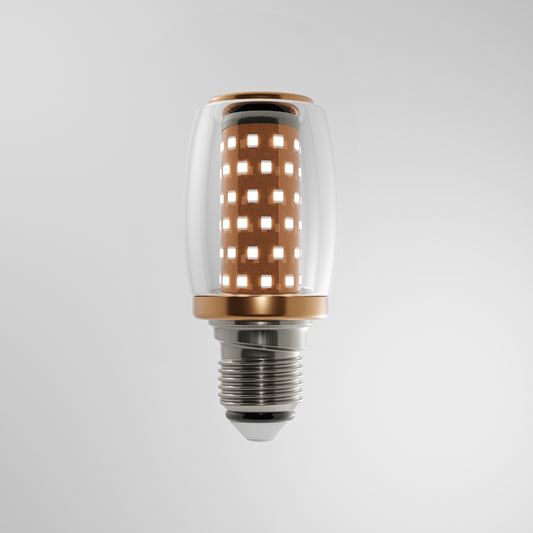
This is probably the most familiar shape, like a traditional light bulb but in LED form. It's your go-to for general lighting in most lamps and fixtures. They're super versatile and fit in almost anywhere you need a reliable, everyday light. Think of them as the sensible shoes of the bulb world – always dependable.
Globe and Filament Bulbs for Style
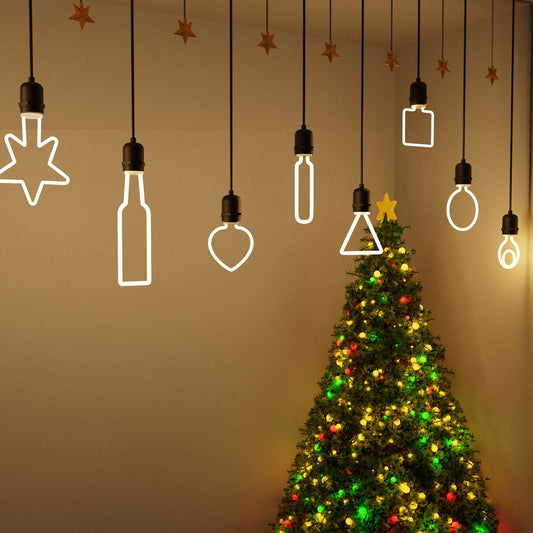
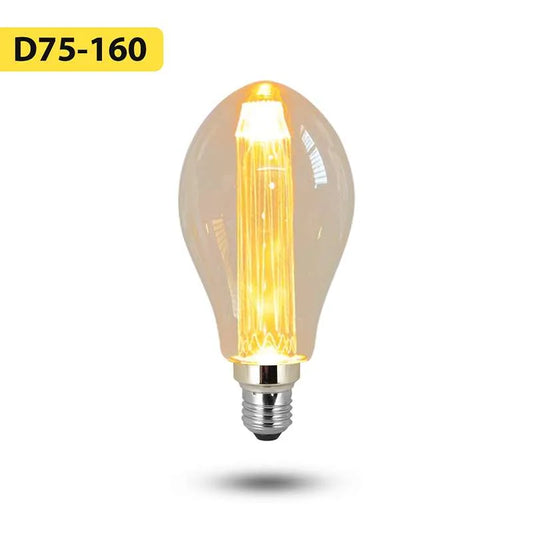
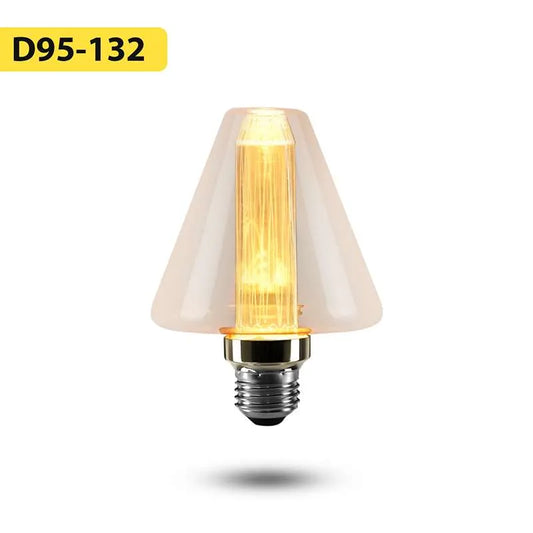
If you've got a fixture where the bulb is on show, like a pendant light or a bare lamp, then you'll want to consider something a bit more stylish. That's where E27 globe bulbs and filament bulbs come in. Globe bulbs are larger and round, making a statement on their own. Filament bulbs, on the other hand, look like those old-fashioned bulbs with the visible glowing wires, but they're actually energy-efficient LEDs. They give off a really warm, vintage vibe, perfect for creating a cosy atmosphere. You can find some really cool led globe bulbs E27 that look amazing.
Choosing Candle Shapes for a Decorative Touch
For a bit of elegance, especially in chandeliers or wall sconces, the candle shape is a winner. They're designed to mimic the look of a flickering candle flame, adding a decorative and sophisticated touch. They're not usually the brightest, so they're best for creating mood lighting rather than task lighting. It’s all about the aesthetic with these ones.
Here’s a quick rundown of common E27 LED bulb styles:
| Bulb Style | Best For | Vibe |
|---|---|---|
| A-Shape | General lighting, lamps, everyday use | Reliable, functional |
| Globe | Exposed fixtures, statement pieces | Modern, decorative |
| Filament | Exposed fixtures, vintage decor | Warm, retro, cosy |
| Candle | Chandeliers, decorative sconces | Elegant, sophisticated |


Setting the Mood with the Right Colour Temperature
So, we've talked about the different shapes and styles of E27 bulbs, but how do we actually make a room feel a certain way? That's where colour temperature comes in. It sounds a bit technical, but it's actually super simple once you get the hang of it. It's all about the warmth or coolness of the light, measured in Kelvins (K).
Warm White for Cosy Spaces
If you're aiming for that snug, inviting vibe, especially in your living room or bedroom, warm white is your best mate. Think of the glow from a traditional old-school bulb – that's what we're talking about. It's a soft, yellowish light that just makes you want to curl up with a good book or have a relaxed chat. We usually recommend anything between 2200K and 3000K for this cosy feel. It's perfect for creating a relaxing atmosphere after a long day.
Cool White to Keep You Alert
Now, if you need a bit more energy and clarity, cool white is the way to go. This light has a bluer tint and feels much brighter, almost like natural daylight. It's brilliant for places where you need to concentrate, like your kitchen when you're prepping food or your home office when you're trying to get work done. While it might feel a bit stark for a chill-out zone, it's fantastic for task lighting. We're generally looking at temperatures between 4000K and 5000K here. It really helps keep you alert and focused.
Daylight Bulbs for True-to-Life Colors
Then there are daylight bulbs, which are at the highest end of the spectrum, usually 6000K and above. These bulbs give off a really crisp, bright light that's as close to natural daylight as you can get indoors. They're amazing for making colours look their truest, so they're great for places like art studios or anywhere you need to see things very clearly. Honestly, though, for general home use, they can be a bit too bright and clinical for everyday ambiance. You might use them for specific task lighting, but probably not for the main lights in your living room.
Here's a quick rundown:
- Warm White (2200K - 3000K): Cosy, relaxing, yellowish glow. Ideal for living rooms and bedrooms.
- Cool White (4000K - 5000K): Brighter, more energising, slightly blue tint. Great for kitchens and home offices.
- Daylight (6000K+): Very bright, crisp, mimics natural light. Best for task lighting or areas needing high clarity.


Matching E27 LED Bulbs to Room Functions
When we think about lighting our homes, it's not just about having a bulb that screws into an E27 socket. We need to consider what we actually do in each room. The right E27 LED bulb can make a huge difference to how we feel and function in our spaces. So, let's break it down room by room.
Living Rooms: Layer Your Lighting
Our living rooms are usually the hub of the house, right? We relax, entertain, maybe even read a book. This means we need lighting that can do a bit of everything. Layering your lighting is key here. Think about a main ceiling light for general illumination, but then add table lamps or floor lamps for softer, more focused light. For general ambient lighting, aim for around 800 lumens (roughly equivalent to a 60W incandescent bulb). If you want to highlight artwork or create a cosy corner, use lower lumen bulbs (around 450 lumens) for accent lighting. This flexibility means you can switch from bright and airy for guests to dim and cosy for movie nights.
Kitchens and Home Offices: Get Bright and Focused
These are the spaces where we need to see clearly. In the kitchen, you're chopping, cooking, and reading recipes. In a home office, you're working, reading documents, and concentrating. For these areas, we want bright, clear light. Cool white or even daylight colour temperatures (around 4000K to 6000K) work well here because they help us stay alert and focused. Lumens are important too; for kitchens, especially over work surfaces, you might want to aim for 1000-1500 lumens. In a home office, a good desk lamp with a bright E27 LED bulb is a must. You can find a great selection of task-focused lighting options that use E27 bulbs.
Bedrooms: Soft Glow for Relaxation
Bedrooms are all about winding down. Harsh, bright light is the last thing we want here. We're looking for a soft, warm glow that helps us relax and prepare for sleep. Warm white bulbs (around 2700K to 3000K) are perfect for this. For ambient lighting in a bedroom, around 800 lumens is usually plenty. If you have bedside lamps for reading, you might want a slightly brighter bulb, but still in a warm tone. Dimmable E27 LED bulbs are fantastic for bedrooms, allowing you to adjust the brightness even further. It’s all about creating a peaceful sanctuary.
Here's a quick look at what works well:
- Living Rooms: Mix ambient (800 lm) and accent (450 lm) lighting. Warm white for cosiness.
- Kitchens/Offices: Bright, focused light. Aim for 1000-1500 lm. Cool white or daylight temperatures.
- Bedrooms: Soft, warm light. Around 800 lm. Dimmable options are great.
All About Brightness: Finding Your Perfect Lumens
Let's be honest, picking out a new E27 bulb for your room used to mean staring at the watts on the box and guessing. With LEDs, we've got a better way to judge brightness – it's all about the lumens now. But what actually does that mean for your home, and how do we know how many we really need? Let’s sort it out!
Why Lumens Matter More Than Watts
So, here’s the deal: watts tell us how much energy a bulb eats, not how bright it is. LEDs need way less power to pump out the same glow as those old-school incandescent bulbs. Lumens are basically your go-to for how much light you’re going to get in the room.
More lumens = brighter light
Fewer lumens = dimmer, cosier light
Seriously, don’t let the low wattage on LED bulbs freak you out—check the lumen count instead. If you want to see how it stacks up, lumens are the standard measurement for brightness.
Recommended Brightness Levels by Room
Some rooms need to be cheery and bright; others feel nicer with softer, ambient light. Here's a quick rundown on how many lumens you should look for in each room:
| Room | Recommended Lumens (Total) |
|---|---|
| Living Room | 1,500 – 3,000 |
| Kitchen | 3,000 – 4,000 |
| Bedroom | 800 – 1,500 |
| Bathroom | 2,000 – 3,000 |
| Hallway | 800 – 1,200 |
Tips for Mixing General and Accent Lighting
Here’s where things get fun. Instead of relying on one mega-bright bulb, layering your lights makes the whole place feel warmer and more inviting:
Use a main ceiling bulb for general light (aim for the middle to upper end of the lumens range for that room).
Add table or floor lamps to highlight little reading nooks, artwork, or those dark spots in the corners.
Accent LED bulbs (sometimes as low as 400 lumens) work perfectly in wall lights or spots – they give off a gentle brightness without overpowering the space.
The beauty of LEDs is you can get bulbs in every brightness imaginable and even dimmable options, so you can set the vibe the way you really want it. Focus on the lumens, ignore the watts, and you’ll never end up with a room that’s too harsh or too gloomy again.
Fixture Compatibility and Easy Installation Tips
Getting your E27 bulbs up and running shouldn’t be a hassle, but we’ve all been there—wrestling with a stubborn bulb that just won’t fit or scratching our heads over what holder works best. Here’s how we can make sure our next bulb swap is quick, simple, and frustration-free.
Checking Your Bulb Fitting
If you’ve ever tried to jam a bulb into a socket, only to have it not budge (or worse, get stuck), you know how annoying it is. E27 refers to the "Edison Screw" fitting, which is 27mm across—one of the most common in the UK. But just because it looks right doesn’t guarantee a snug fit. The best way to avoid surprises is:
- Check the socket for E27 or ES markings (no bayonets here—if it needs a push-and-twist, it’s a B22).
- Never force a bulb that doesn’t screw in smoothly—there’s probably a compatibility issue.Identifying the correct screw thread size can save loads of hassle and potential damage.
- Examine older fixtures, especially if you’re in a classic house—sometimes there’s a hidden adapter or mismatched holder.
E27 LED Bulb Holders: Metal, Ceramic, and More
Let’s talk holders. You’ll see all sorts—plastic (cheap and lightweight), metal (tough, styled for vintage or industrial looks), and ceramic (great for heat resistance)
| Holder Type | Main Perks | Best For |
|---|---|---|
| Metal | Durable, great for exposed bulbs, retro style | Pendant lights, chandeliers |
| Ceramic | Handles heat, safe for stronger bulbs | Heat lamps, kitchen fixtures |
| Plastic | Lightweight, makes for easy swaps | General lamps, easy DIY |
A lot of us never look twice at the holder, but it’s what keeps your bulb secure and safe. For modern homes or if you love the look of visible bulbs, a metal holder in brass or chrome is spot on. Want peace of mind with a high-power bulb? Go ceramic—they’re designed for that extra bit of heat protection. For most table lamps and pendants, a plastic holder does just fine.
Switching to LED in Minutes—No Electrician Needed
Here’s the best bit: swapping an old E27 bulb for a new LED takes less time than boiling the kettle. You don’t need any special kit or training—just a bit of common sense:
- Switch off the lamp or fixture at the mains (better safe than sorry).
- Unscrew the old bulb gently (let it cool down first!).
- Twist the new E27 LED bulb in, clockwise, until it’s snug—don’t overtighten.
- Flick the switch and enjoy your new light.
If you’re upgrading a pendant or ceiling fixture, check the holder type and wiring—sometimes it pays to review those different holder material options, and make sure they’re rated for your chosen bulb. But for your average desk or table lamp, it’s a straight swap.
Always double-check your holder’s wattage and voltage limitations.
- With LEDs, you’re usually well within the safe zone, even with older holders.
- And don’t forget: if anything feels wobbly, replace the holder before adding a new bulb.
To sum up—choose the right fitting, pick the best holder material for your needs, and you’ll breeze through any bulb change. It’s the kind of job we can all do solo (no need to beg for help!), and honestly, it makes your evenings that bit brighter.
Bonus Features: Smart Bulbs and Dimmable Options
When we think beyond the basics, picking out E27 bulbs gets a lot more interesting. It's not just about how bright or warm the light is—now it's about how much control and customisation we want for each room. There are some great features out there, like dimmable light bulbs and smart lighting options, that make a real difference in how we use our living spaces every day.
Why Go for Dimmable E27 LED Bulbs?
We all know that every room isn't set up for the same vibe, and that’s where dimmable light bulbs really shine. Here’s why we rate them:
- You can tweak the brightness to exactly what’s comfortable for your eyes, any time of day. Whether it’s movie night or getting ready for work, one twist and the mood changes.
- They’re ideal for living rooms and bedrooms where we want different lighting for different moments.
- Lowering the brightness means less energy use, which actually helps cut down the bills. Neat bonus, right?
Linking E27 LEDs to Your Smart Home
If you’re keen on having even more control, smart E27 bulbs are brilliant. We can:
- Turn lights on or off using our phone (or even with our voice, if we’re feeling fancy).
- Set schedules, so lights come on while we’re away or fade in gently to wake us up.
- Change the light colour or temperature for any activity—dinner, reading, or winding down.
Quick Comparison Table
| Feature | Regular LED | Dimmable LED | Smart LED |
|---|---|---|---|
| Brightness Control | No | Yes (with dimmer) | Advanced (app/voice) |
| Energy Saving | Yes | More (when dimmed) | Highest |
| Setup Difficulty | Easiest | Easy (if dimmer matches) | Depends on WiFi/system |
| Colour Changes | No | No | Yes |
Customising Ambience with Colour and Brightness Controls
With the right bulbs, we can almost turn any room into something totally new:
- Pick from millions of colours (no exaggeration) with smart bulbs.
- Set routines—like warm light in the evening and cool bright light for daytime focus.
- Many options even let us save our favourite settings, so one tap turns the room just how we like it.
Honestly, once you get used to the flexible lighting that comes from dimmable and smart E27 bulbs, there’s no going back to the plain stuff.
So, That's a Wrap!
Right then, we've gone through all sorts of E27 bulbs, from the super-bright ones for the kitchen to the cosy, warm ones for the living room. It’s not as complicated as it first seems, is it? Just remember to think about what you actually do in each room and what kind of vibe you're going for. Whether you're after a vintage look with filament bulbs or just need something reliable and energy-saving, there's an E27 bulb out there for you. Happy lighting!